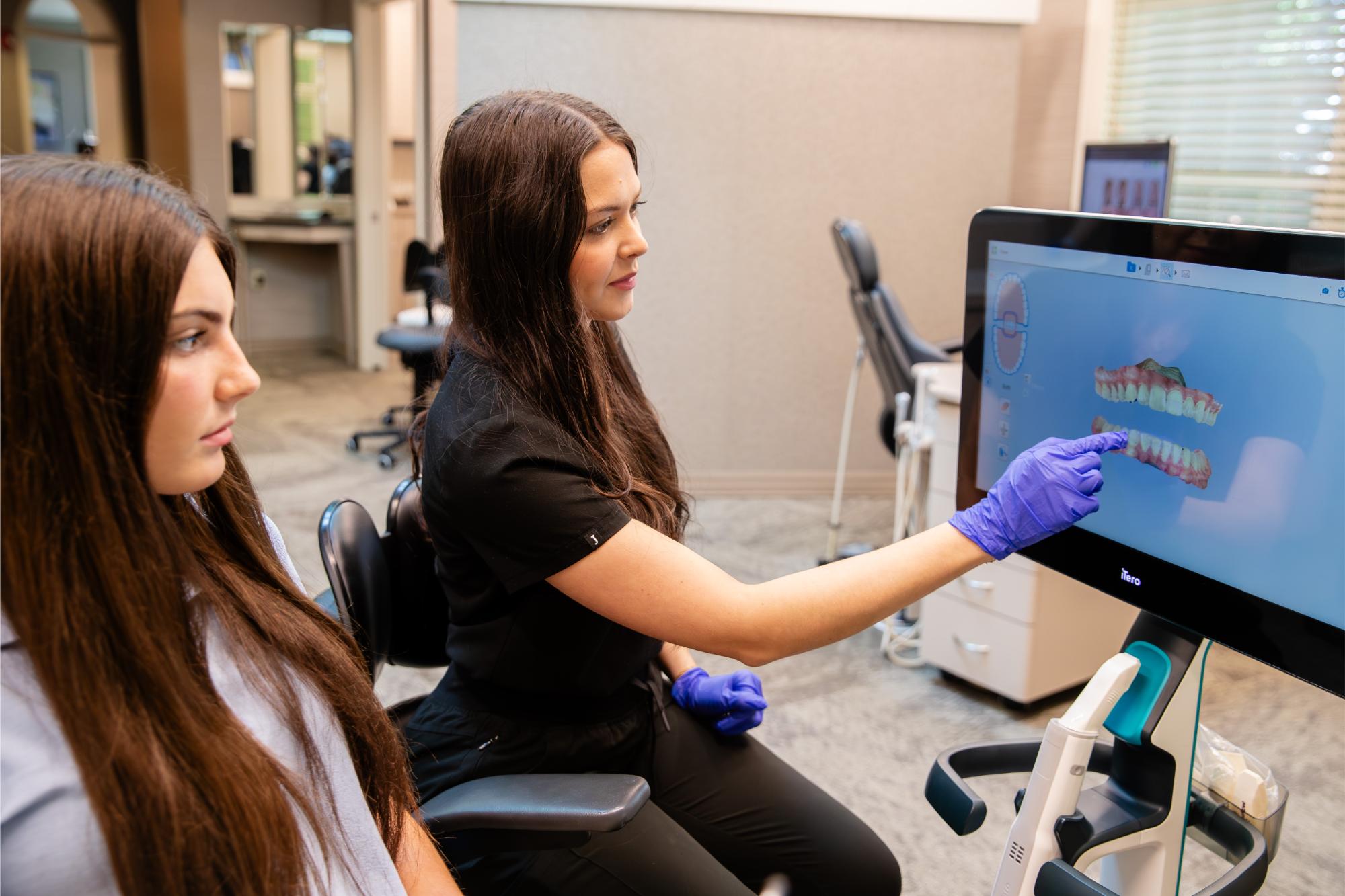
Orthodontics has come a long way from goopy putty trays and long waits for a distant lab. Today, two technologies are changing what happens when you sit in the chair: digital intraoral scanners and in-house 3D printers. Together, they make visits faster, more comfortable, and more accurate. Here’s what that really looks like for you, from the moment you open your mouth to the day you walk out with a finished appliance.

The Old Way: Traditional Impressions and Outsourced Labs
For decades, capturing a model of your teeth meant biting into a tray filled with cold, thick putty. You had to hold still for several minutes while the material set, often triggering a gag reflex. Then the physical mold was boxed up and shipped to an outside lab.
That handoff added time. It wasn’t unusual to wait several weeks [STAT_NEEDED: confirm actual typical outside-lab turnaround before publishing] for aligners, retainers, or study models to come back. If the impression distorted in transit, or the mold wasn’t quite right, you’d be called back for another round.
Here’s what patients often didn’t love about the old workflow:
- Bulky trays and a strong gag reflex
- Multiple visits for re-impressions and adjustments
- Shipping delays between the practice and the lab
- Storage of dozens of plaster models
- A higher risk of distortion or an inaccurate fit
It worked. But it wasn’t easy on you.
What Is Digital Intraoral Scanning?
Digital orthodontic scanning uses a small, handheld wand to map every surface of your teeth and gums in 3D, with no putty required. Safe optical technology inside the wand captures a high volume of images per second [STAT_NEEDED: confirm actual scanner spec before publishing] and stitches them into a highly accurate digital replica of your smile in just a few minutes. It replaces messy impressions with a clean, comfortable digital record.
The file lives on a computer, not a shelf. That means your records are easy to pull up years later, share with specialists, or reuse if you ever need a replacement retainer.
How the Scan Works in the Chair
You’ll sit back the same way you would for a regular consultation. A team member gently glides the wand across your upper teeth, lower teeth, and bite. As they move, a 3D model of your mouth builds in real time on the monitor beside you.
A few things to know about the experience:
- The wand is small and rounded, roughly the size of an electric toothbrush head
- You can breathe and swallow normally the whole time
- The full scan usually takes just a few minutes
- You’ll see your own teeth in 3D right there on screen
Many patients say the most surprising part is how quick it is.
Why It’s More Comfortable Than Putty Impressions
An intraoral scanner removes almost every part of the old process that made people uneasy. There’s no tray pressing into your palate, no thick material sliding toward the back of your throat, and no timer counting down while it sets.
If you need a break, the clinician simply pauses and picks up right where they left off. That flexibility makes scanning a great option for younger kids, anxious patients, and anyone with a sensitive gag reflex.
What Is In-House 3D Printing in Orthodontics?
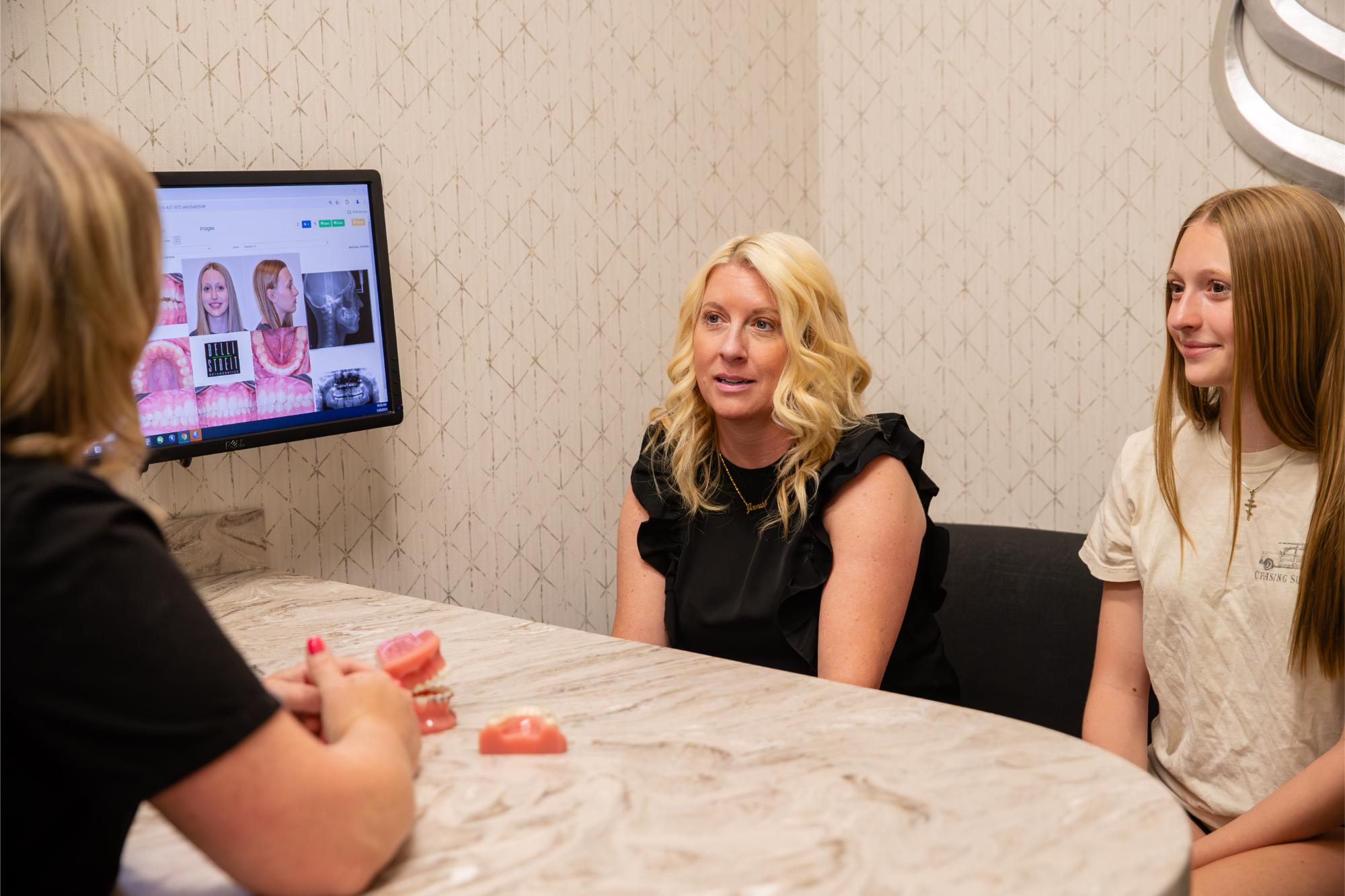
In-house 3D printing means the practice can turn your digital scan file into a physical appliance right there onsite, using dental-grade, biocompatible resins. Instead of shipping a model out and waiting, the orthodontic team designs, prints, and finishes the appliance under one roof.
That control matters. When your orthodontist oversees the entire workflow, quality checks happen at every step, and adjustments can be made without starting a whole new lab cycle.
From Digital File to Finished Appliance
Here’s a simple look at how a scan becomes something you can wear:
- Design. Your scan is refined in specialized software, and the appliance is built digitally.
- Print. A 3D printer creates the model or appliance layer by layer.
- Cure. The printed piece is cured under UV light for strength and stability.
- Finish. The team trims, polishes, and inspects every detail.
- Deliver. In many cases, your appliance is ready the same day.
Each stage happens onsite, so there’s no waiting on a courier.
What Can Be Printed On-Site
An in-house 3D printer can produce a wide range of appliances, including:
- Clear aligner models and trays
- Retainers, including same-day replacements
- Study models for treatment planning
- Indirect bonding guides that help place braces precisely
- Select expanders and specialty appliances
Some complex cases still call for outside specialty labs, and that’s okay. The point is that a lot of the everyday work can now happen right where you’re being seen.
Real Benefits for You as a Patient
Together, digital scanning and in-house 3D printing shorten appointments, improve fit, and speed up repairs. Appliances tend to fit better on the first try, and you can even preview your projected smile before you commit to treatment.
Faster Appointments and Shorter Treatment Timelines
Scans wrap up in minutes. There’s no shipping wait to start your aligners or receive a new retainer. That means treatment can begin sooner, and each stage tends to require fewer visits from start to finish.
For busy families juggling school, work, and after-school activities, that time back is real.
Better Fit, Fewer Adjustments
Digital scans avoid the small distortions that can happen with putty as it sets or ships. Precision 3D printing then produces consistent, repeatable results. The payoff is a better first fit, fewer remakes, and fewer chair-side tweaks along the way.
Same-Day Retainer Replacements
Yes, with a digital scan on file, retainers can often be 3D printed the same day. Because your digital scan file is already on record, there’s no new impression appointment and no starting over. That quick turnaround helps protect the results of your treatment.
See Your Results Before You Start
Modern software can simulate tooth movement from your scan, so you can preview your projected smile in 3D before treatment even begins. It’s a helpful way to set realistic expectations, compare treatment options, and feel confident about the plan you choose with your family.
Is This Technology Right for Every Patient?
Yes, for the vast majority of orthodontic cases. Digital scanning and in-house 3D printed appliances work beautifully from early treatment for kids to clear aligners for adults. Certain complex surgical cases or specialty appliances may still call for traditional records or an outside lab, and your orthodontic specialist will let you know when that’s the best path.
Safety and hygiene standards apply either way. Whether records are captured digitally or with traditional methods, sterilization and infection control remain a top priority.
What to Expect at Your Next Visit
When you’re researching a practice, it’s worth asking whether they use intraoral scanning and in-house 3D printing. If they do, expect a shorter, more comfortable appointment, a chance to see your 3D scan on screen, and, in many cases, a same-day preview of your projected smile.
Bring your questions with you. Ask about timelines, appliance options, and what your day-to-day will look like. A good orthodontic team will walk you through everything so you feel informed and at ease.
If you’re curious to see this technology firsthand, schedule a consultation with your orthodontic team and experience the difference for yourself.